

mazda6 manual
This comprehensive guide unlocks the secrets to your Mazda6‚ offering detailed repair and maintenance insights․ Accessing factory service manuals‚ including PDF formats‚ empowers owners․
What is a Mazda6 Manual?
A Mazda6 manual‚ in its broadest sense‚ encompasses all documentation assisting owners and technicians with understanding‚ maintaining‚ and repairing the vehicle․ This includes official workshop manuals‚ owner’s handbooks‚ and even detailed repair guides available in PDF format․ These resources provide step-by-step instructions‚ wiring diagrams‚ and factory specifications crucial for effective vehicle care․
Specifically‚ a ‘manual’ often refers to the comprehensive service manual used by professional mechanics‚ detailing everything from routine maintenance like oil changes to complex procedures like clutch replacements․ Accessing these Mazda6 manuals‚ whether downloaded or consulted online‚ is vital for both DIY enthusiasts and qualified technicians ensuring correct procedures are followed‚ maximizing vehicle longevity and performance․
Why Use a Manual for Mazda6 Maintenance?
Utilizing a Mazda6 manual is paramount for ensuring accurate and effective vehicle upkeep․ These guides‚ often available as free PDF downloads‚ provide detailed repair instructions and wiring diagrams‚ preventing costly mistakes during maintenance․ A manual guarantees adherence to factory specifications‚ preserving the vehicle’s warranty and optimal performance․
Attempting repairs without proper documentation can lead to further damage and safety hazards․ Whether performing a simple oil change or tackling a complex transmission issue‚ a workshop manual offers invaluable guidance․ Accessing these resources empowers owners to understand their vehicle better‚ potentially saving money on professional service and extending the Mazda6’s lifespan․
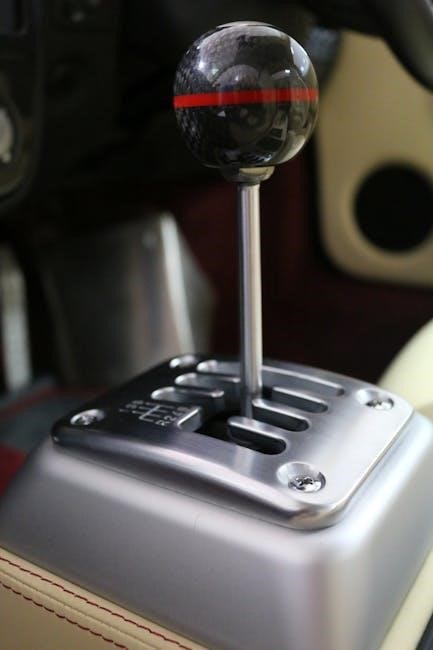
Understanding Your Mazda6 Model
Identifying your Mazda6’s generation – GH‚ GJ‚ or others – is crucial for accessing the correct repair information and compatible service manuals․
Identifying Your Mazda6 Generation (GH‚ GJ‚ etc․)
Accurately pinpointing your Mazda6’s generation is paramount for successful maintenance and repair․ The first generation‚ known as the GH (2008-2012)‚ featured distinct styling and mechanical components․ Following this came the GJ generation (2013-2018)‚ introducing updated designs and technologies․ Subsequent models‚ like the current generation‚ possess further refinements․
Knowing the specific generation dictates which workshop manual or repair manual is applicable․ Wiring diagrams‚ parts compatibility‚ and procedural details vary significantly between these generations․ Resources like online forums and dedicated Mazda6 communities can assist in identification if you’re unsure․ Checking the vehicle’s VIN (Vehicle Identification Number) is also a reliable method to determine the exact model year and generation of your Mazda6‚ ensuring you access the correct PDF documentation for your car․
Specific Manuals for Different Model Years
Mazda6 manuals aren’t one-size-fits-all; model year specificity is crucial․ A 2009 GH-series Mazda6 requires a different manual than a 2015 GJ model․ Free PDF manuals often categorize resources by year‚ offering targeted repair instructions․ Official Mazda service manuals are similarly segmented‚ ensuring accuracy for your vehicle’s configuration․
Downloading the correct manual avoids confusion and potential errors during maintenance․ For example‚ electrical system details and engine specifications differ between years․ Resources like Dropbox host model-specific manuals (e․g․‚ Mazda20620WorkshopManual․pdf)․ Always verify the manual’s coverage aligns with your Mazda6’s production date․ Utilizing the correct documentation guarantees safe and effective repairs‚ maximizing the benefits of your workshop resources․

Essential Maintenance Procedures
Regular upkeep‚ like oil changes‚ brake pad replacements‚ and air filter checks‚ are vital for Mazda6 longevity․ Detailed step-by-step guides are readily available․
Oil Change Guide for Mazda6 Manual Transmissions
Performing regular oil changes is crucial for maintaining the health of your Mazda6’s manual transmission․ Begin by warming up the engine slightly‚ then securely lift the vehicle using jack stands․ Locate the drain plug on the transmission and position a drain pan underneath․ Carefully remove the plug‚ allowing the old fluid to drain completely․
Once drained‚ reinstall the plug with a new crush washer‚ ensuring it’s tightened to the manufacturer’s specified torque․ Next‚ locate the fill plug and remove it․ Using a pump or funnel‚ add the correct type and quantity of transmission fluid‚ as specified in your Mazda6’s owner’s manual․ Replace the fill plug and lower the vehicle․ Finally‚ check the fluid level again after a short test drive‚ adding more if needed․ Proper disposal of the used fluid is essential for environmental responsibility․
Brake Pad Replacement – A Step-by-Step Manual
Replacing brake pads on your Mazda6 requires careful attention to detail․ First‚ safely lift the vehicle and remove the wheels․ Disconnect the brake caliper by unbolting it from the knuckle‚ and carefully suspend it to avoid strain on the brake line․ Remove the old brake pads and inspect the rotors for wear or damage; resurfacing or replacement may be necessary․
Clean the caliper bracket and apply a thin layer of brake grease․ Install the new brake pads‚ ensuring they are properly seated․ Reattach the caliper‚ tightening the bolts to the specified torque․ Repeat the process for the other side․ Pump the brake pedal several times to restore brake pressure․ Always test the brakes thoroughly before driving‚ and bleed the brake lines if necessary for optimal performance․
Air Filter Replacement Instructions
Maintaining a clean air filter is crucial for your Mazda6’s engine performance; Locate the air filter housing‚ typically a black plastic box near the engine․ Release the clips or screws securing the housing cover and carefully lift it off․ Remove the old air filter‚ noting its orientation for correct installation of the new one․
Inspect the air filter housing for any debris and clean it thoroughly․ Install the new air filter‚ ensuring it’s properly seated and aligned․ Replace the housing cover‚ securing it with the clips or screws․ A properly installed air filter ensures optimal airflow to the engine‚ improving fuel efficiency and protecting it from contaminants․ Regular replacement‚ as per your Mazda6’s maintenance schedule‚ is highly recommended․

Repairing Common Mazda6 Issues
Addressing typical Mazda6 problems requires detailed manuals‚ wiring diagrams‚ and step-by-step guides for clutch replacements‚ transmission fixes‚ and electrical system repairs․
Clutch Replacement Guide
Successfully replacing the clutch on your Mazda6 demands a meticulous approach‚ guided by a detailed workshop manual․ Begin by disconnecting the battery and safely supporting the vehicle․ Drain the transmission fluid before detaching the driveshafts‚ shift linkage‚ and any wiring connected to the transmission․
Carefully remove the transmission‚ ensuring not to damage the flywheel․ Inspect the flywheel for wear and resurface or replace it as needed․ Install the new clutch disc‚ pressure plate‚ and throw-out bearing‚ aligning them correctly․ Reinstall the transmission‚ reconnecting all previously detached components․ Finally‚ refill the transmission with the correct fluid and test the clutch operation thoroughly‚ verifying smooth engagement and disengagement․ A manual provides torque specifications and diagrams for a precise repair․
Troubleshooting Transmission Problems
Diagnosing Mazda6 transmission issues requires a systematic approach‚ often aided by a detailed workshop manual․ Common problems include slipping gears‚ harsh shifting‚ or unusual noises․ Begin by checking the transmission fluid level and condition; low or burnt fluid indicates a potential issue․ Inspect for external leaks around the transmission housing and seals․
Utilize diagnostic tools to scan for any trouble codes stored in the vehicle’s computer․ These codes can pinpoint specific problems within the transmission system․ A manual provides wiring diagrams for effective electrical testing․ Internal issues may necessitate transmission disassembly‚ requiring specialized tools and expertise․ Always consult the manual for proper procedures and torque specifications during any repair or inspection․
Fixing Electrical System Issues (Wiring Diagrams)
Mazda6 electrical problems can range from simple fuse replacements to complex wiring harness repairs․ A comprehensive manual is crucial‚ providing detailed wiring diagrams essential for tracing circuits and identifying faults․ Begin by checking fuses related to the affected system; a blown fuse is often the simplest fix․ Utilize a multimeter to test for voltage and continuity in wiring․
Inspect connectors for corrosion or damage‚ as these can cause intermittent issues․ The manual details component locations and pinout information․ When repairing wiring‚ always use proper splicing techniques and insulation․ For complex issues‚ a scan tool can retrieve diagnostic trouble codes‚ guiding you to the source of the problem․ Remember safety first – disconnect the battery before working on electrical systems․

Accessing Mazda6 Manuals & Resources
Discover free PDF workshop manuals online‚ official Mazda service options‚ and thriving owner forums – invaluable resources for your Mazda6’s upkeep․
Free PDF Mazda6 Workshop Manuals Online
Numerous websites offer free PDF Mazda6 workshop manuals‚ providing a cost-effective way to access detailed repair information․ These manuals often cover various model years and generations‚ including the GH and GJ series․ Resources like Dropbox and various automotive forums host downloadable files‚ such as the “Mazda20620WorkshopManual․pdf‚” offering comprehensive guides․
However‚ exercise caution when downloading from unofficial sources‚ ensuring the files are virus-free․ These manuals typically include step-by-step repair instructions‚ wiring diagrams‚ and factory specifications‚ enabling DIY repairs and maintenance․ Browsing collections of 24 free PDF manuals for Mazda 6 vehicles can significantly aid in understanding your car’s intricacies‚ offering a valuable alternative to expensive official publications․

Official Mazda Service Manuals – Where to Find Them
Obtaining official Mazda service manuals ensures access to the most accurate and up-to-date repair information for your Mazda6․ While typically not free‚ these manuals provide detailed diagrams‚ procedures‚ and specifications directly from the manufacturer․ Mazda dealerships are the primary source‚ offering both physical copies and potentially digital access through subscription services․
Online retailers specializing in automotive manuals may also carry official Mazda publications․ These manuals are crucial for complex repairs or when precise factory procedures are required․ Remember that the investment in an official manual can save time and prevent costly errors during maintenance and repair‚ guaranteeing a reliable outcome for your vehicle’s upkeep․
Online Forums and Communities for Mazda6 Owners
Mazda6 owners’ forums and online communities represent invaluable resources for accessing collective knowledge and support regarding your vehicle’s maintenance and repair․ These platforms host a wealth of information‚ including DIY guides‚ troubleshooting tips‚ and shared experiences related to the Mazda6 manual and common issues․
Members frequently share links to free PDF workshop manuals and discuss specific repair procedures․ Engaging with these communities allows you to ask questions‚ receive advice from experienced owners‚ and potentially find solutions to problems you encounter․ Active participation can significantly enhance your ability to maintain and repair your Mazda6 effectively‚ fostering a collaborative learning environment․

Advanced Repair & Diagnostics
Delve into engine repair basics‚ utilizing diagnostic tools for precise Mazda6 analysis‚ and mastering the intricacies of its electrical systems for effective solutions․
Engine Repair Basics (L-Series Engines)
Successfully tackling engine repairs on your Mazda6‚ particularly those featuring L-series engines‚ demands a foundational understanding of core principles․ Begin with meticulous diagnostics – pinpointing the root cause before initiating any disassembly․ Familiarize yourself with the engine’s layout‚ identifying key components like the cylinder head‚ block‚ and crankshaft․
Essential tools include torque wrenches‚ socket sets‚ and specialized Mazda-specific instruments․ When disassembling‚ maintain a strict organizational system for parts to ensure correct reassembly․ Pay close attention to timing marks during belt or chain replacement‚ as misalignment can lead to severe engine damage․ Always consult the workshop manual for precise specifications and procedures․ Remember proper lubrication is crucial during reassembly‚ and a thorough post-repair check is vital for optimal performance․
Using Diagnostic Tools with Your Mazda6
Modern Mazda6 diagnostics extend far beyond simple visual inspections․ Utilizing scan tools to retrieve Diagnostic Trouble Codes (DTCs) is paramount for efficient troubleshooting․ These codes pinpoint specific system failures‚ guiding repair efforts․ Invest in a quality OBD-II scanner capable of accessing Mazda’s proprietary systems․
Beyond code reading‚ advanced tools offer live data streaming‚ allowing you to monitor sensor readings in real-time․ Multimeters are essential for electrical circuit testing‚ verifying voltage‚ continuity‚ and resistance․ Oscilloscopes provide a visual representation of electrical signals‚ aiding in complex issue diagnosis․ Always refer to the Mazda6 workshop manual for specific diagnostic procedures and expected values․ Proper tool usage‚ combined with manual guidance‚ ensures accurate and effective repairs․
Understanding Mazda6 Engine Electrical Systems
The Mazda6’s engine relies on a complex network of electrical components․ Understanding this system is crucial for effective repair․ Key elements include the ignition system‚ fuel injection system‚ and various sensors providing data to the Engine Control Unit (ECU)․ Wiring diagrams‚ found in the workshop manual‚ are indispensable for tracing circuits and identifying potential faults․
Common issues involve faulty sensors (crankshaft‚ camshaft‚ oxygen)‚ damaged wiring harnesses‚ and failing relays․ A multimeter is essential for testing voltage and continuity․ Always disconnect the negative battery terminal before working on electrical components․ Proper grounding is vital for system functionality․ Refer to the Mazda6 manual for specific component locations and testing procedures to ensure safe and accurate repairs․

Safety Precautions & Best Practices
Prioritize safety! Disconnect the battery‚ use jack stands‚ wear safety glasses‚ and properly dispose of fluids during Mazda6 repairs for optimal results․
Working Safely on Your Mazda6

Before commencing any repair work on your Mazda6‚ prioritizing safety is paramount․ Always disconnect the negative terminal of the battery to prevent accidental electrical shorts and potential injury․ Securely support the vehicle using appropriately rated jack stands – never rely solely on a jack․
Wear appropriate personal protective equipment (PPE)‚ including safety glasses to shield your eyes from debris‚ and gloves to protect your hands from chemicals and sharp edges․ Ensure the work area is well-ventilated‚ especially when dealing with fluids or fumes․
Be mindful of hot engine components and exhaust systems․ Allow sufficient cooling time before touching these parts․ Properly dispose of all used fluids‚ such as oil and coolant‚ according to local regulations․ Keep a fire extinguisher readily accessible in case of emergencies․ Following these precautions will help ensure a safe and successful repair experience with your Mazda6․
Tools Required for Mazda6 Repairs
Successfully maintaining and repairing your Mazda6 necessitates a well-equipped toolkit․ Essential items include a comprehensive socket set (metric)‚ wrenches‚ screwdrivers (Phillips and flathead)‚ pliers‚ and an adjustable wrench․ A torque wrench is crucial for tightening fasteners to the manufacturer’s specifications‚ preventing damage․
Diagnostic tools‚ such as an OBDII scanner‚ are invaluable for identifying error codes and troubleshooting issues․ Multimeters are useful for electrical system diagnostics․ Specialized tools‚ like a clutch alignment tool for clutch replacements‚ may be required for specific repairs․
Additionally‚ consider having jack stands‚ a floor jack‚ penetrating oil‚ and a drain pan for fluid changes․ Having the correct tools streamlines the repair process‚ ensuring efficiency and minimizing the risk of damaging your Mazda6․ A repair manual will often specify unique tools needed for certain procedures․
Disposal of Fluids and Parts
Responsible disposal of fluids and parts is paramount when working on your Mazda6․ Used engine oil‚ coolant‚ brake fluid‚ and transmission fluid are hazardous materials and must never be poured down drains or onto the ground․ Instead‚ collect these fluids in sealed containers and take them to a designated recycling center or auto parts store that accepts used fluids;
Old parts‚ such as oil filters‚ brake pads‚ and air filters‚ should also be disposed of properly․ Many auto parts stores offer recycling programs for these items․ Check with your local regulations regarding the disposal of tires and batteries‚ as they often require specific handling procedures․
Prioritizing environmentally sound disposal practices protects both your community and the environment‚ demonstrating responsible vehicle maintenance․

Mazda6 Manual Specific Sections
Delve into detailed sections covering the clutch system‚ gearbox intricacies‚ and essential transmission fluid checks and changes for optimal Mazda6 performance․
Understanding the Clutch System
The Mazda6’s clutch system is a critical component‚ facilitating smooth gear changes and power transfer․ A thorough understanding of its operation is vital for effective maintenance and repair․ This section details the clutch’s core components – the pressure plate‚ clutch disc‚ release bearing‚ and flywheel – explaining their individual functions and how they interact․
Proper clutch engagement relies on precise alignment and sufficient friction material․ We’ll cover identifying signs of clutch wear‚ such as slippage‚ grabbing‚ or difficulty shifting․ Diagnostic procedures‚ including visual inspections and testing‚ will be outlined․ Furthermore‚ this guide provides a step-by-step approach to clutch replacement‚ emphasizing safety precautions and torque specifications․ Understanding the hydraulic or cable-operated linkage is also crucial for troubleshooting issues and ensuring optimal performance․ Regular inspection and maintenance will prolong the clutch’s lifespan and maintain a responsive driving experience․
Gearbox Maintenance and Repair
Maintaining your Mazda6’s gearbox is essential for reliable performance and longevity․ This section details routine maintenance procedures‚ including checking for leaks‚ inspecting the shift linkage‚ and verifying proper fluid levels․ Understanding the different gearbox types – manual and automatic – is crucial‚ as maintenance requirements vary․
We’ll provide a comprehensive guide to gearbox fluid changes‚ specifying the correct fluid type and procedure․ Troubleshooting common issues like noisy gears‚ difficult shifting‚ or fluid leaks will be covered․ More advanced repairs‚ such as synchronizer replacement or bearing servicing‚ are also addressed with detailed step-by-step instructions․ Always prioritize safety when working on the gearbox‚ utilizing proper support and following torque specifications․ Regular maintenance prevents costly repairs and ensures smooth‚ efficient operation․
Transmission Fluid Checks and Changes
Regularly checking and changing your Mazda6’s transmission fluid is vital for smooth shifting and preventing premature wear․ This guide details how to accurately check the fluid level‚ identifying the correct fill and check plugs for your specific model year․ We’ll cover identifying the appropriate transmission fluid type – crucial as using the wrong fluid can cause significant damage․
A step-by-step procedure for a complete fluid change is provided‚ including necessary tools and safety precautions․ Learn to recognize signs of contaminated or degraded fluid‚ such as a burnt smell or discolored appearance․ Proper disposal of used fluid is also emphasized‚ adhering to environmental regulations․ Maintaining optimal fluid condition extends the life of your transmission and ensures consistent performance․