
honda remote start instructions
What Is Honda Remote Start?

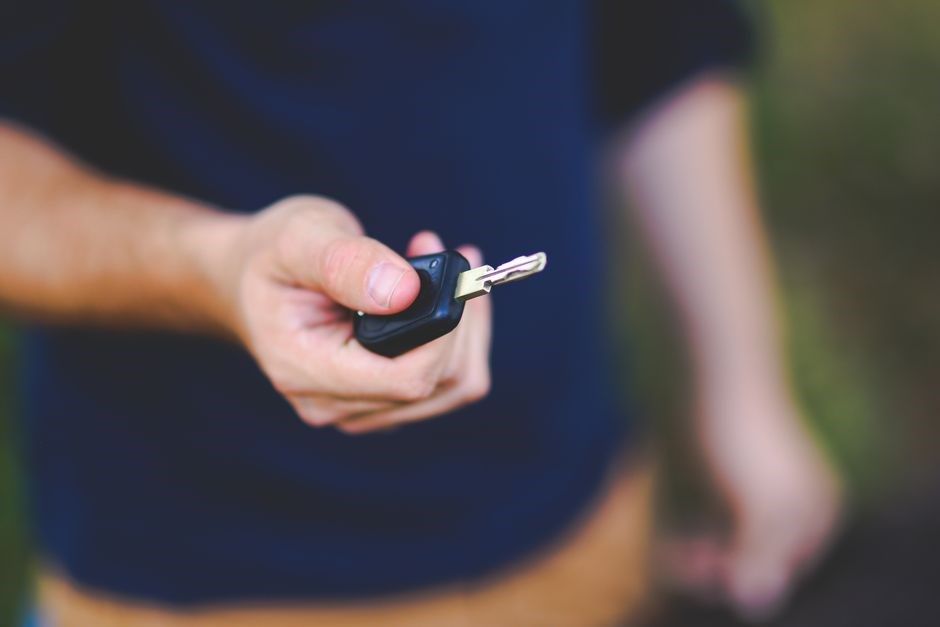
A Honda remote start lets you ignite the engine from a distance using the key fob, while the vehicle remains locked. It activates the ignition, checks safety sensors, and may turn on climate control. The feature is available on newer models with built‑in wireless modules and requires a compatible fob battery. Remote start is safe.!!!
How Remote Start Works
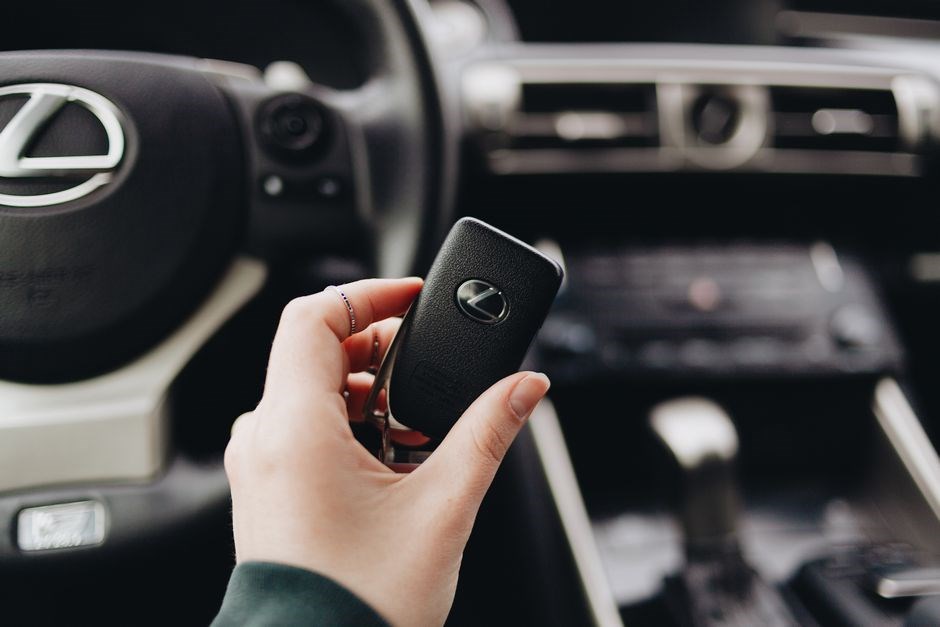
When you press the remote‑start button on a Honda key fob, the vehicle’s wireless receiver picks up the signal and initiates a series of safety checks. First, the system verifies that the engine is in a ready state, the ignition switch is in the “off” position, and all doors, the hood, and the tailgate are firmly closed. If any of these conditions are not met, the remote start will not engage and a warning tone will play. Once the checks pass, the engine is cranked and the starter motor engages for a brief moment. The ignition system then powers up the fuel injection and spark modules, allowing the engine to run in a low‑idle mode. During this period, the climate control unit may automatically activate to bring the cabin temperature to a comfortable level, depending on the trim and model year. The remote start feature also respects vehicle’s security settings; for example, if the key fob battery is low, the system will refuse to start and will prompt you to replace battery. Additionally, the remote start is designed to shut off automatically after a preset time (usually 10–15 minutes) if driver does not enter the vehicle, preventing unnecessary fuel consumption or overheating.The system also monitors battery voltage; if it drops below a threshold, remote start is disabled to avoid a dead battery. Replace low‑battery indicator lights. Remote start in extreme temperatures can affect engine performance, so use it only when cabin temperature is comfortable. now!
Models Supporting Remote Start
Remote start is available on a growing list of Honda vehicles, primarily those equipped with the i‑Connect or HondaLink systems. In the U.S., the feature is standard on 2023‑2026 Honda Civic, Accord, CR‑V, HR‑V, Pilot, Passport, Ridgeline, and the luxury‑branded Acura MDX, TLX, and RLX models. Many of these models come with the “Remote Engine Start” button on the steering wheel or a dedicated fob button. In Europe, remote start is offered on the 2024‑2026 Civic, Accord, CR‑V, and the hybrid‑powered Insight, as well as on the 2025‑2026 Honda HR‑V and the 2025‑2026 Honda Pilot. In Japan, the feature is available on the 2024‑2026 Honda Civic Type R, the 2025‑2026 Honda CR‑V, and the 2025‑2026 Honda Accord Hybrid. In Australia, remote start is standard on the 2024‑2026 Honda CR‑V, HR‑V, and the 2025‑2026 Honda Civic. For older models, remote start can be added via aftermarket kits, but the factory‑installed system is preferred for reliability and warranty compliance. Always check the vehicle’s VIN and the owner’s manual for the exact year and trim that includes the feature. The remote start system requires a compatible key fob with a low‑battery indicator, and the vehicle must have a fully closed door, hood, and tailgate to prevent accidental activation. The system also respects the vehicle’s security settings, so if the key fob battery is low or the vehicle is in “sleep” mode, the remote start will not engage. The remote start feature is designed to enhance convenience while maintaining safety, and it is supported on most current Honda models that feature the i‑Connect or HondaLink systems. It is recommended to confirm the availability of the feature with a local dealer before purchase or installation!!
Compatibility and Required Equipment
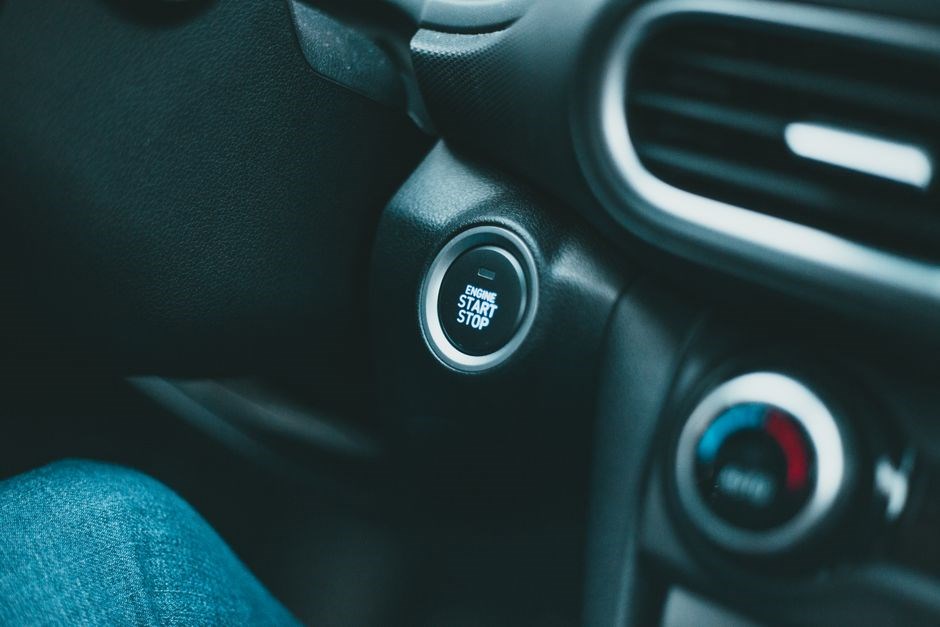
To use Honda remote start, the vehicle must have the built‑in i‑Connect or HondaLink module, and the key fob battery must be fresh. The system requires all doors, hood, and tailgate fully closed, and the vehicle must be in “ready” mode. An kit adds feature to older models, it must be compatible. Safe use. Enjoy safety. Now!
Key Fob Battery Check
Before attempting a remote start, verify the key fob’s battery is in good condition. Most Honda models use a CR2032 or CR2025 coin‑cell battery, which can be accessed by gently prying open the fob’s plastic seam with a flathead screwdriver or a coin. Once opened, remove the old battery, note its polarity, and insert a fresh one. After replacement, press the lock button to confirm the fob is communicating with the vehicle. If the fob’s LED indicator flashes or the vehicle’s dashboard shows a low‑battery warning, the new battery may still be weak or the fob may need to be re‑paired. A simple test is to press the remote start button while standing within 30 feet of the car; a successful start will trigger the engine and the dashboard lights. If the vehicle does not respond, double‑check that the battery is seated correctly, that the fob’s internal contacts are clean, and that the fob’s firmware is up‑to‑date. Some newer Honda models display a battery‑low icon on the infotainment screen, which can be cleared by holding the lock button for 10 seconds. For peace of mind, keep a spare battery in your glove compartment and replace it before long trips or during cold weather, as low temperatures can reduce battery performance. Battery maintenance ensures reliable remote start functionality and prevents failures while you’re away from the vehicle. If you notice the fob’s battery indicator light blinking, it’s a clear sign to replace the battery immediately. Finally, remember that the remote start feature requires the vehicle’s doors to be fully closed; an open door will prevent the engine from starting. By following these steps, you can maintain a reliable start experience and avoid frustration on the road!
Vehicle Requirements (Doors, Hood, etc.)
To successfully activate the remote start, the vehicle must satisfy a set of safety prerequisites. First, all doors—including the driver’s, passenger’s, rear side doors, and the trunk or rear hatch—must be fully closed and latched. Most Honda models use a door‑sensing system that reads the status of each door via magnetic or pressure sensors; if any sensor reports an open state, the remote start command is rejected. Second, the hood and tailgate must also be securely closed; many vehicles treat an open hood as a potential hazard and will block the engine from starting. Third, the key fob must be within the vehicle’s wireless range—usually 30 to 50 feet—depending on the model and environmental conditions. Fourth, the vehicle’s battery voltage must be above the minimum threshold—usually 11.5 volts for a 12‑volt system—otherwise the engine control unit will refuse to start. Fifth, the vehicle’s immobilizer system must recognize the fob’s unique cryptographic code; if the fob is not paired or has been replaced without proper re‑programming, the remote start will fail. Sixth, the vehicle’s climate control system should be set to “off” or “auto” mode; some models will not allow remote start if the HVAC is actively heating or cooling to avoid excessive power draw. Seventh, the driver’s seat must be unoccupied or the seat‑safety system must be disengaged; a seated driver triggers a safety lock that prevents remote ignition. Finally, the vehicle’s security system must be armed or disarmed appropriately; an armed alarm will block remote start to prevent theft. By ensuring each of these conditions is met, the remote start feature can engage safely and reliably, allowing the engine to start while the doors remain locked and the interior climate can pre‑condition the cabin. Finally, the engine will shut off after 60 seconds to conserve fuel today!!
Step-By-Step Remote Start Procedure
Press the lock button, then the remote‑start button twice within 5 seconds. The vehicle will lock, the engine will start, and the climate system may activate. To stop, press the remote‑start button again or wait 60 seconds; the engine will shut off automatically. The system locks now soon!!
Initiating Remote Start
If the remote start fails, first check the key fob battery; a low voltage will block the signal. Ensure all doors, hood, and tailgate are closed, otherwise the system won’t start. After the engine runs, the car locks auto, and pressing the remote button again will shut it off. The feature is disabled in maintenance mode. Keep the fob within 30 feet for reliable communication. Use within range. Go.
Stopping Remote Start
To safely terminate a remote‑started engine, press the remote start button on the key fob once more. The vehicle will immediately disengage the ignition, shut the engine off, and lock the doors. If the fob is out of range, the engine will automatically turn off after a preset timeout, typically 10 minutes, to prevent fuel waste. For models equipped with the “Auto‑Lock” feature, the doors will lock only after the engine stops, ensuring you cannot unlock the vehicle while it is still running. If the engine does not stop after pressing the button, check the fob battery; a weak battery may cause a delayed response. In some vehicles, the “Engine OFF” command can be sent via the vehicle’s infotainment system by selecting the remote start icon and choosing “Stop.” Always confirm the engine has fully shut down by listening for the idle sound and verifying the engine indicator light turns off. If the engine remains running, it may indicate a fault with the remote start module or a safety sensor that is not satisfied. In such cases, consult the owner’s manual or contact a Honda dealer for diagnostics. Remember that remote start is intended for short‑term use; prolonged operation in a closed space can lead to overheating or battery drain, so always turn the engine off when you reach your destination. Finally, if you are in a situation where the remote start is triggered unintentionally—such as a lost fob or a malfunctioning sensor—use the vehicle’s manual start button inside the cabin to override the remote start and bring the engine to a safe stop. This procedure ensures the vehicle remains secure and prevents accidental damage or safety hazards!
Troubleshooting Common Issues
Common issues include a weak fob battery, doors not fully closed, or a remote‑start module. Verify fob battery, ensure all doors, hood, and tailgate are sealed, and check safety sensors. If the engine fails, reset the system by turning the ignition off. If problems persist, contact now a dealer.
Common Error Codes
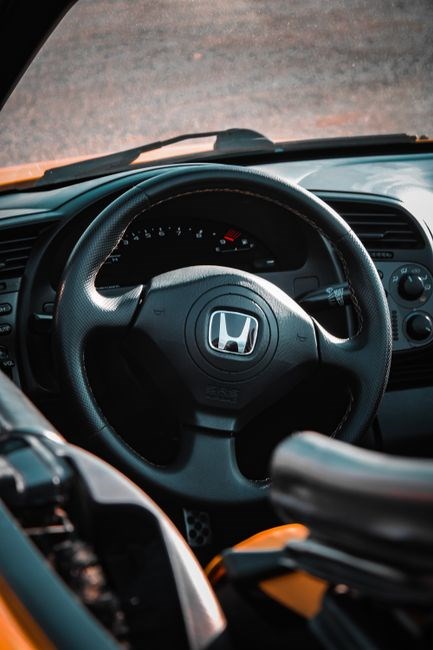
When a Honda remote start fails, the instrument cluster may flash a warning light or display a numeric code. The most frequent codes for Honda models are listed below, along with troubleshooting steps that can be performed by the owner before calling a dealer. Each code is a shorthand for a specific fault condition that prevents the remote start system from completing the ignition sequence.
- 0x01 – Key fob battery low or signal not received. Replace the fob battery with a fresh CR2032 or move closer to the vehicle to improve reception.
- 0x02 – Door, hood, or trunk not fully closed. Verify that all latches are engaged; many models will not allow remote start if any opening is slightly ajar.
- 0x03 – Engine coolant temperature too high. Wait until the engine cools or inspect the cooling system for leaks or a malfunctioning thermostat.
- 0x04 – Immobilizer fault. The vehicle’s security system has detected an issue; a diagnostic scan is required to reset the immobilizer.
- 0x05 – Remote start module fault. Reset the module by disconnecting the battery for 30 seconds, then reconnect; if the problem persists, a technician may need to reflash the firmware.
- 0x06 – Low fuel or battery voltage. Ensure the fuel gauge is above the minimum and the battery is fully charged; low voltage can prevent the engine from cranking.
- 0x07 – Software update pending. Visit a certified Honda dealer to download and install the latest firmware for the remote start system.
If the error persists, consult a dealer for a diagnostic scan. Repair restores remote start safety!!!
Safety Precautions and Legal Considerations
Never use remote start in a sealed garage or poorly ventilated area to prevent CO buildup. Verify local laws; some regions restrict use during certain hours. Keep engine off if vehicle is unattended for long periods. Follow Honda guidelines for safe operation. Stay safe.!!!!!!
Avoiding Engine Overheating
When using a Honda remote start, engine temperature can rise quickly, especially in hot weather or when the vehicle is parked in direct sunlight. To prevent overheating, follow these steps: 1. Park in a shaded area or use a sunshade to reduce ambient heat. 2. Keep the remote start duration short—most models allow a maximum of 15–20 minutes. 3. If the engine temperature gauge rises above 190°F (88°C), stop the engine immediately by pressing brake pedal or using the remote stop button. 4. Ensure the cooling system is fully functional: check coolant level, radiator condition, and fan operation before starting. 5. Do not use remote start in a closed garage or poorly ventilated space, as exhaust gases can accumulate and raise internal temperatures. 6. If you notice a warning light or a sudden temperature spike, terminate the start and inspect the vehicle. 7. For extended use, consider installing a temperature monitoring system that alerts you when the engine reaches a critical threshold. By adhering to these precautions, you can safely enjoy the convenience of remote start without risking engine damage or compromising vehicle safety. Always consult your owner’s manual for model‑specific guidelines and manufacturer recommendations.!!!!!!
Keep the radiator clean, replace coolant every 50,000 miles, and monitor the temperature gauge. If irregularities appear, schedule maintenance. Use high‑quality coolant and ensure the thermostat works correctly to maintain safe engine temperatures during remote start. Avoid starting the engine in a hot environment for long periods. Follow these practices to reduce overheating risk and extend engine life. Regular checks keep your engine running smoothly daily !!
Legal Restrictions on Remote Start
In many jurisdictions, the use of a remote‑start system on a Honda is subject to specific legal restrictions that vary by state, province, or country. The feature must be installed in accordance with the manufacturer’s guidelines and any applicable vehicle‑modification statutes. Unauthorized modifications that alter the engine‑control unit or the immobilizer can void warranties and may be illegal under federal or local vehicle‑code provisions. Insurance carriers may consider remote‑start capability a safety feature that reduces liability, but they may also require proof of proper installation and functioning. Failure to comply can result in denied claims or policy cancellation. Honda owners can enjoy the convenience of remote start while remaining compliant with all legal requirements by staying informed about local statutes, adhering to manufacturer guidelines, and maintaining proper documentation.
Additionally, federal regulations such as the National Highway Traffic Safety Administration (NHTSA) standards for engine‑control systems require that any remote‑start installation must not interfere with the vehicle’s emission controls. In the United States, the Clean Air Act mandates that modifications which alter the engine’s operating parameters must be certified by the manufacturer or approved by the Environmental Protection Agency (EPA). In Canada, CMVSS and CEPA also regulate remote‑start devices. Failure to comply can lead to fines, mandatory recalls, or the vehicle being deemed unroad‑worthy. Local ordinances may limit remote start use during specific hours to reduce noise pollution and protect community health. Honda owners should consult local traffic authorities, insurance providers, and the dealership to verify that their remote‑start setup meets all applicable legal and regulatory obligations. Compliance ensures safety and avoids legal penalties. Consult your dealership for precise guidance. Follow all local regulations diligently.!